


Walk the dog. Water the plants. Brew the coffee. Some things we do every day without a second thought. But even after years of reminders, flossing often falls by the wayside.
We know we should floss regularly, but the best way to do it might differ from person to person. There’s more than one way to clean between your teeth – in fact, the American Dental Association (ADA) says the best interdental cleaning method is the one you’ll use regularly.
So, what’s the right technique for you? Let’s explore some different methods and how they might fit better between your teeth and into your daily routine.
The case for cleaning between your teeth
Brushing twice a day can make you feel like you’re on track with your oral hygiene, but that alone can’t fully reach the food particles between your teeth.
Bad actors like plaque – the sticky substance that forms a layer on your teeth – and debris from eating and drinking don’t just stay on the tooth’s surface. They find their way into your gumline and between your teeth in ways that brushing alone can’t get to.
When plaque is left untouched for 24-48 hours, it hardens into tartar. On the surface of teeth, this is a problem, but between teeth, it can be especially difficult to remove and increases your risk for cavities and gum disease. Once tartar forms, it can only be removed by dental professionals and their powerful tools.
The long and short of it? Aim to clean between your teeth once a day. This will help knock plaque out of its hiding places and prevent the calcification (hardening) that could lead you down the road of fillings, root canals or periodontal disease.
String floss: an oldie but a goodie
Let’s brush up on tried-and-true string floss. If you’re up to date on your dental visits, there’s a good chance you have a box of floss rattling around in your bathroom drawer. Feel free to follow along to check your form.
Here’s how to best use string floss:
Start with about 18 inches of floss
Wrap most around your middle fingers and leave a short section to work with.
Hold the floss firmly
Grip the string floss between your thumbs and forefingers. For better control, keep it taut.
Gently guide it between your teeth.
“Gently” is the key here. Use a slight back-and-forth motion. Don’t snap the floss into your gums.
Make a C shape around each tooth
This can be tricky, but it’s one of the most important tips. Curve the floss around the side of one tooth, like the shape of the letter C. Then, repeat the same motion on the other side of that same tooth. Move the floss gently up and down, being sure to clean the tooth surface and below the gumline.
Repeat around your whole mouth
“One and done” is a good strategy for a lot of things. That’s not the case here. Use a clean section of floss as you go and don’t forget the back of your molars!
Alternatives to traditional string floss
Maybe you can’t grip string floss as well as you used to, or maybe the feeling of waxy floss between your fingers just isn’t for you. It’s not the best option for everyone. Here are a few interdental cleaning methods that offer alternatives to traditional string floss:
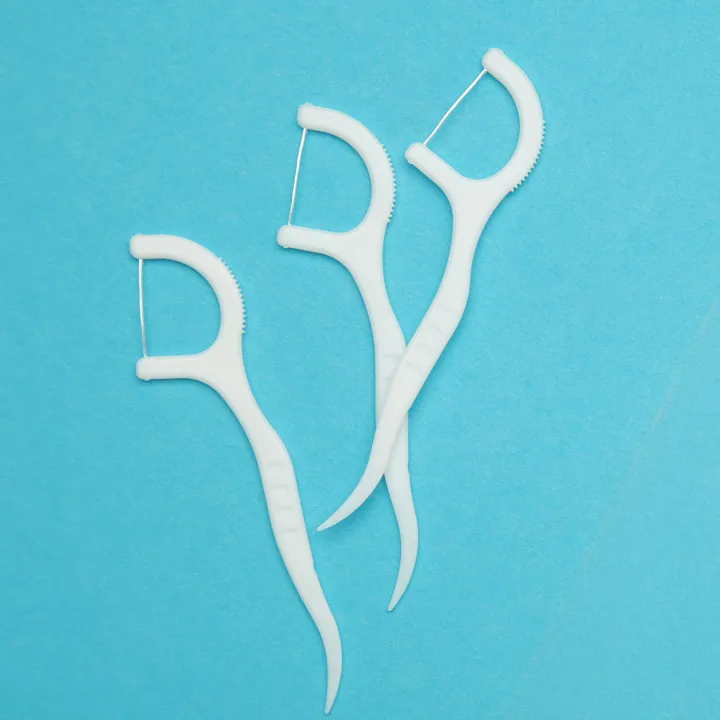
Floss picks or floss holders
These are probably what you see the most often. They’re essentially toothpicks on one side with a floss head on the other. Floss picks do the work of keeping the floss taut for you and helping you get to hard-to-reach spots faster. They’re very easy to grip and maneuver, making them a great option for people with dexterity challenges.
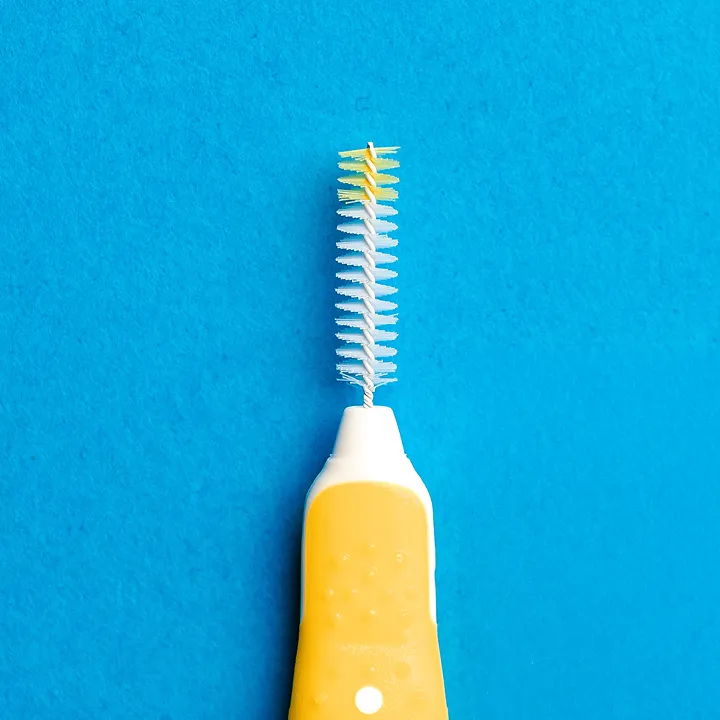
Interdental Brushes
Interdental brushes are small brushes with tiny bristles designed to clean the spaces between teeth. Because those spaces can vary from person to person — and even from tooth to tooth — they may not be the right fit for everyone. The good news is they come in different sizes, so finding the one that fits comfortably between your teeth can help you get the best clean without forcing it.

Water flossers
Water flossers use a stream of – you guessed it – water to clean between and around teeth. They are especially helpful for keeping braces, bridges or other dental work clean. The torque behind the water stream can be effective in reaching easily overlooked spots in your mouth and can leave people feeling squeakier clean than other methods.

Floss threaders
If you’ve ever threaded a needle, you’ll be a natural at floss threaders. And if you haven’t, sigh in relief, because these are designed to be so much easier than that. Floss threaders are rigid, but flexible pieces of plastic that assist in passing dental floss around fixed bridgework or orthodontic devices. The technique can take a little practice at first, but once you get the hang of it, floss threaders can make cleaning around dental work more manageable.
Frequently asked questions about flossing
Should you floss before or after brushing?
Great news: According to the ADA, either is fine! Research shows flossing is effective both before and after brushing. When you floss matters less than how thoroughly and consistently you do it. Some experts suggest flossing first may help loosen stubborn food debris, but the difference isn’t significant enough to make one approach the clear winner.
How often should you floss?
The American Dental Association highly recommends flossing at least once a day. Time of day is pretty inconsequential: morning, night or whenever the urge strikes all work equally well. Consistency matters more than finding the “perfect” time.
What if your gums bleed when you floss?
Bleeding when you floss is not uncommon, but it is preventable. Bleeding gums after flossing can be related to gum inflammation or even flossing too aggressively. If you experience persistent bleeding, pain, discomfort or other concerns with your gums after flossing, you should discuss them with a dentist.
The ADA’s point is worth repeating: The best flossing technique is the one you’ll actually use. So whether you reach for string floss, a floss pick or another dentist-approved tool, choose the option that feels easiest to stick with. The simpler it is to make flossing a non-negotiable part of your day, the more likely you are to keep it up.
In the market for dental insurance?
If you or a loved one are shopping for dental insurance, look for coverage that:
- Has no annual maximum on the cash benefits you can receive
- Has no deductible
- Gives you the freedom to see any dentist — and enjoy savings from network providers
- Provides immediate benefits for preventive and basic care
- Pays benefits for a wide range of dental procedures … from cleanings and fillings, to crowns, root canals, and dentures
- Has guaranteed acceptance regardless of your dental health
You may also like …
 Your Pets
 Let’s Eat
 Live Well
 Spare Time

Join our community
Get news and tips you can feel good about on topics to help you live life better, including health, money, home and lifestyle — plus much more.