There’s a new option to help you manage your monthly budget
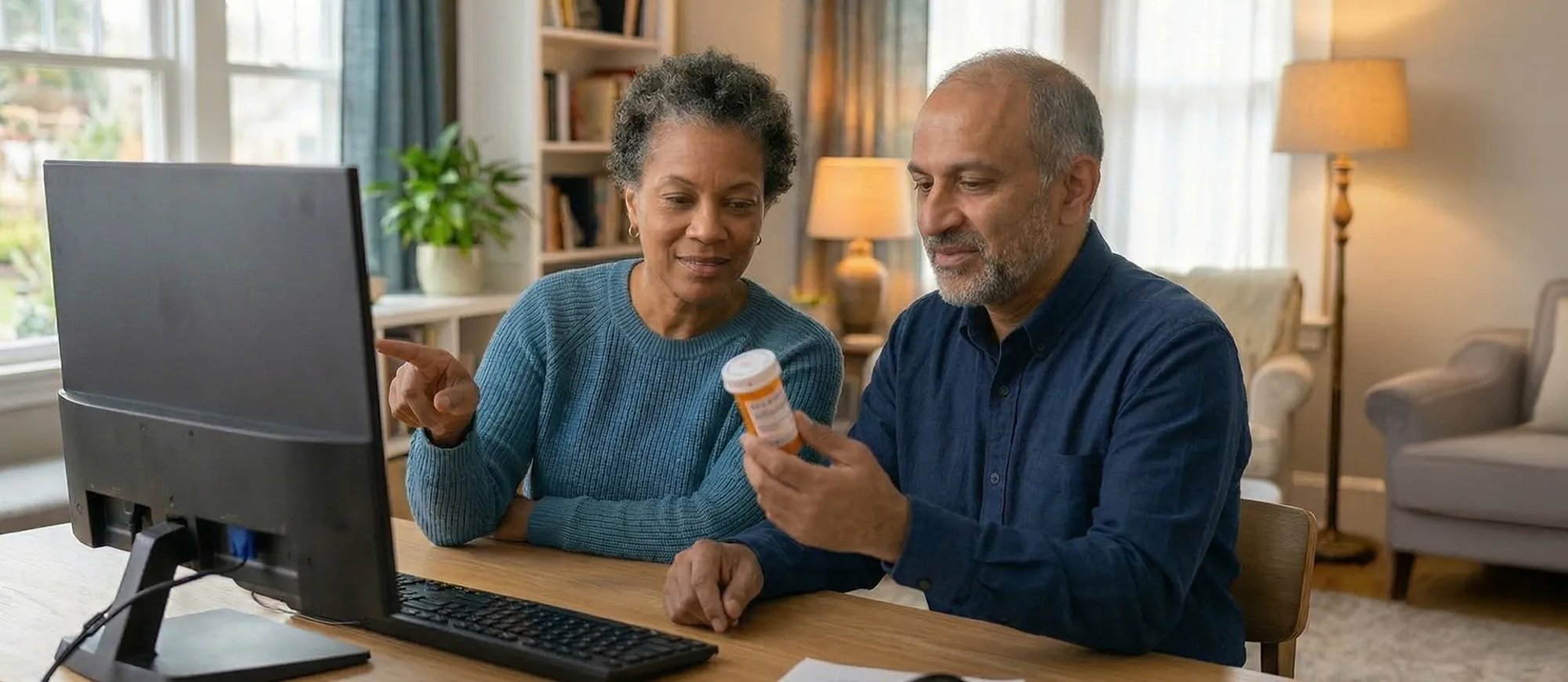
Prescription drug costs can be one of the more complicated parts of retirement planning. What’s a tier or a formulary? Or, a few years ago … “donut hole?” (Fortunately, that last one is no more.)
Even with recent changes to Medicare Part D — including an annual out-of-pocket limit — managing how and when those costs are paid can still take some planning.
Beginning in 2026, Medicare is offering a new voluntary option called the Medicare Prescription Payment Plan.
Here’s how it works — and what to keep in mind
The Medicare Prescription Payment Plan is available to anyone enrolled in a Medicare Part D prescription drug plan, including those enrolled in a Medicare Advantage plan with drug coverage.
If you choose to participate, your drug plan will pay your share of the cost for covered prescriptions at the pharmacy. You’ll then receive a monthly bill from your plan.
Your monthly bill reflects your out-of-pocket costs for covered prescriptions, divided over the remaining months in the calendar year. The payments are interest-free.
Important reminders
Given the complexity of health care in retirement, here are two important reminders:
How enrollment works
If you’re enrolled in a Medicare Part D plan, your Medicare drug plan should have notified you about it. To sign up, opt in through your Medicare drug plan. Participation is voluntary.
You can generally enroll at any point during the year.
What happens after you enroll
Once enrolled, your plan tracks your out-of-pocket costs for covered Part D drugs.
Each month, you’ll receive a bill reflecting the amount you owe under the payment plan. That amount is based on:
- What you’ve already spent out of pocket
- Any new prescriptions you’ve filled
- The number of months remaining in the calendar year
If you fill additional prescriptions during the year, your remaining balance is recalculated and divided over the remaining months in that calendar year.
How this fits with the Part D out-of-pocket limit
Medicare Part D includes an annual limit on how much you pay out of pocket for covered prescription drugs.
For 2026, that limit is $2,100.
Once you reach that annual limit, you owe no additional cost-sharing for covered drugs for the rest of the calendar year.
The Medicare Prescription Payment Plan does not change this limit. It simply allows you to spread your out-of-pocket costs over time rather than paying them in full at the pharmacy.
Why this option may matter
Even with an annual out-of-pocket cap in place, some beneficiaries may still face significant prescription costs during the year.
In a study of Medicare beneficiaries with cancer who use Part D-covered medications, nearly half were projected to reach the annual out-of-pocket limit during the year, and about one-third were projected to reach it in January. Researchers found that enrolling in the payment plan significantly reduced large swings in monthly payment amounts and concluded the program may help ease financial strain and reduce the risk of cost-related treatment nonadherence.
While that study focused on cancer medications, the broader takeaway is straightforward: for people with higher prescription costs, predictable monthly payments may be easier to manage than larger one-time expenses.
What the plan does — and does not — do
The Prescription Payment Plan:
- Spreads your out-of-pocket drug costs over the calendar year
- Allows you to make interest-free monthly payments
- Is voluntary
It does not:
- Lower the price of your medications
- Reduce your deductible, copayments or coinsurance
- Change the annual out-of-pocket limit
- Enroll you automatically
- Apply to your monthly Part D premium
Keeping these points in mind can help you decide if the payment option fits your needs.
Is it right for you?
The Medicare Prescription Payment Plan may be worth considering if:
- You take medications with higher out-of-pocket costs
- You prefer steady monthly payments
- You want more predictability in your prescription budgeting
In fact, CMS estimates that about 6% of Medicare Part D beneficiaries — roughly 2.4 million people — could benefit from enrolling.
If you’re interested in the Medicare Prescription Payment Plan, contact your Medicare drug plan to learn how it would apply to your prescriptions and what your estimated monthly payments might look like. Reviewing the details now can help you decide whether this option fits your budget for the rest of the year.
You may also like …
 Your Pets
  Let’s Eat
  Live Well
  Spare Time
Join our community
Get news and tips you can feel good about on topics to help you live life better, including health, money, home and lifestyle — plus much more.