

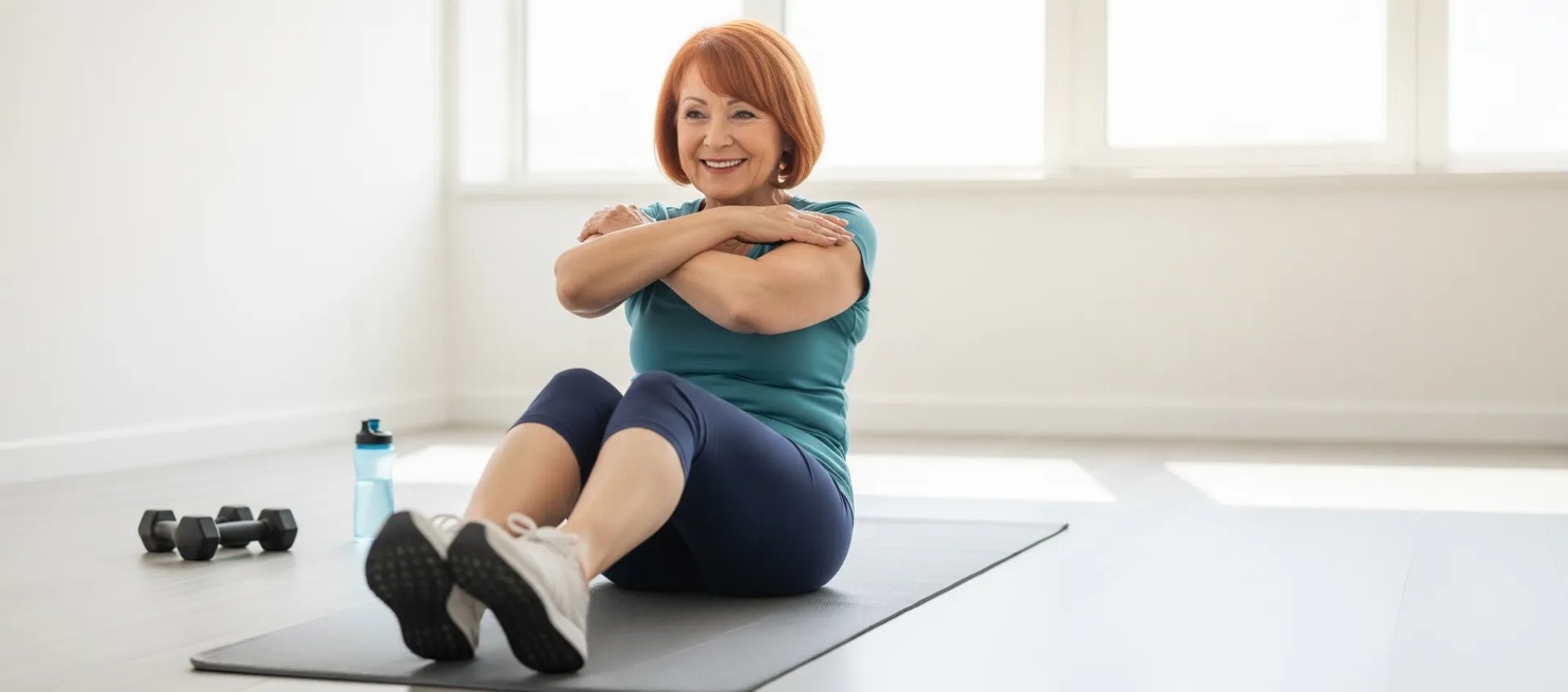
It’s no secret that as we age our bodies can start to act differently. It can be frustrating to realize that the things we love to do aren’t as easy as they used to be. While it can be upsetting, implementing some simple exercises can help. One way to help offset these changes in your body is to keep up with your core strength.
The balancing act: What your core does
Your core strength is important for everyday activities like climbing stairs, carrying groceries and maintaining good posture. It also helps to improve your balance and coordination.
As we age, we’re more susceptible to falls. In fact, one in four adults aged 65 or older experience a fall each year. Many of these falls can result in serious injuries that can have an impact on quality of life.
Maintaining and gaining core strength gives us a stronger and more stable center of gravity, leading to less falls and a more active lifestyle.
The core anatomy: How your core works
Keeping up with your core is more than getting a toned stomach. In fact, your "core" is made up of several muscles that wrap all the way around your stomach and back.
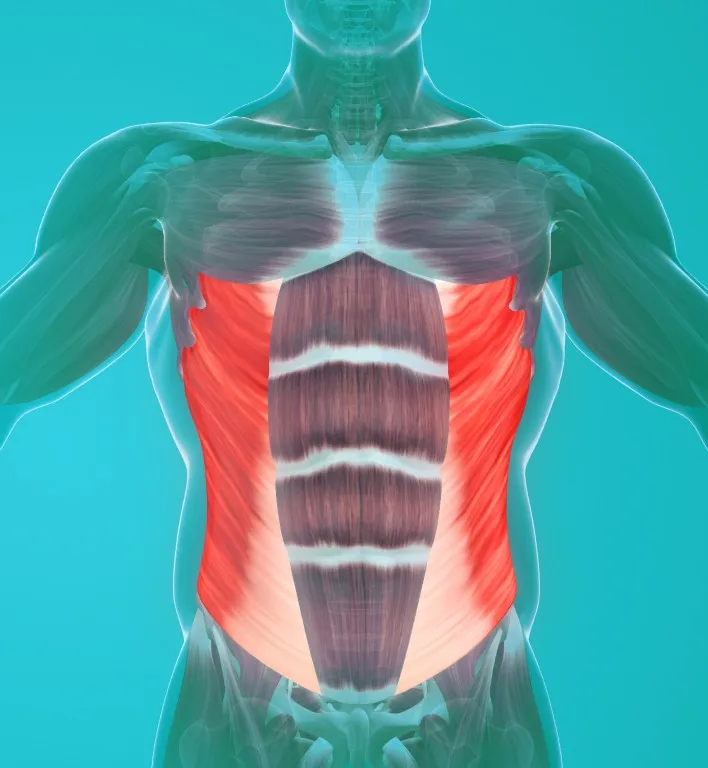
Abdominals: These muscles help you bend forward and stabilize your spine.
Obliques: These muscles help you twist from side-to-side.
Lower Back Muscles: These muscles help you keep an upright posture.
Glutes: These muscles help to stabilize your hips.
Pelvic Floor: These muscles help support your organs and regulate internal pressure.
All of these muscle groups work together to support spine and hip movement, posture and balance. They are a crucial part of everyday activities like tying shoes, standing up from a sitting position, cooking and cleaning.
Maintaining core strength also plays a role in overall wellness! A stronger core leads to reduced back pain, improved posture, fat reduction, fewer tension headaches and a more independent lifestyle.
The exercise plan: Why it helps your core
Experts suggest starting slowly — especially if you’re new to core exercise! Start with simple things like seated movements and work your way up to more advanced movements as you gain strength.
Seated movements: Belly breathing and pelvic tilts can help form a foundational strength.
Standing movements: Trunk twists and side crunches can help build muscle, improving balance.
Static movements: Planks and bridges can help create endurance, making your body stronger.
Remember to listen to your body and take it slowly. In time, you’ll be able to do more and more of these movements. For more core workout ideas, check out the CDC’s suggestions and guidelines for staying active over 65.
The next steps: Why your core will thank you
Exercising your core two to three times a week can help you build muscle mass, stability and better coordination. Even if you’re already confident in your exercise routine, it’s always a good idea to try something new and focus on different muscle groups.
Exercising your core means that you’re investing in your overall well-being — meaning you can continue to do the things you love without worrying about the "what-ifs."
You may also like …
 Your Pets
 Let’s Eat
 Live Well
 Spare Time

Join our community
Get news and tips you can feel good about on topics to help you live life better, including health, money, home and lifestyle — plus much more.