

Haven’t flown in a while? Here’s what’s changed at the airport
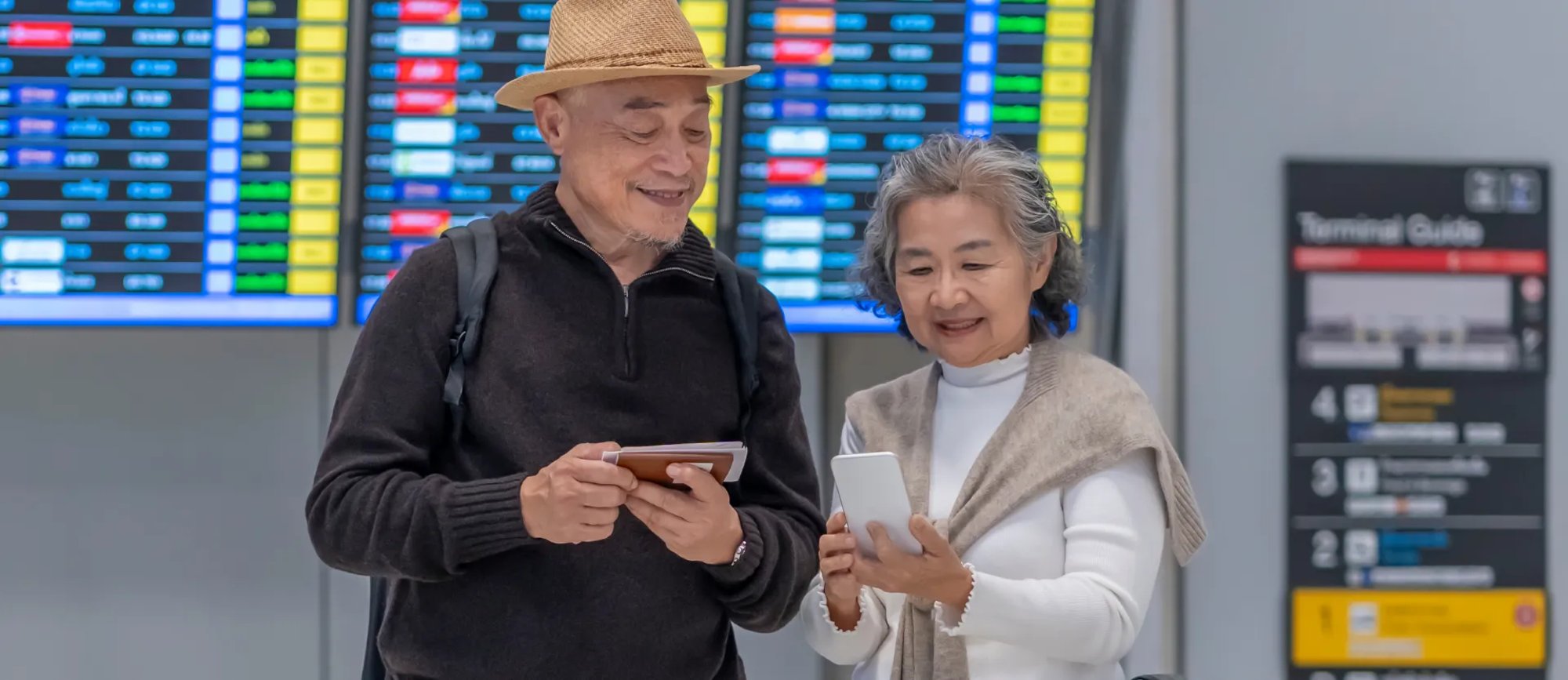
Planning your airport outfit around which shoes come off the easiest may be a thing of the past, thanks to new TSA rules. And if it’s been a few years since your last flight, that may not be the only change you notice.
REAL ID requirements are now in effect, some security lanes use newer screening machines, and your phone may do more of the travel-day work than it used to.
Before your next trip, here are a few changes worth knowing about.
Before security
Make sure you have the right ID
As of May 2025, travelers 18 and older need a REAL ID-compliant driver’s license or ID card (or another acceptable ID, like a valid passport) to board domestic flights in the U.S.
You may already have one if you’ve recently renewed your license or state ID. If not, TSA accepts other forms of identification, including passports and DHS Trusted Traveler cards, like Global Entry.
Tip: Check if your ID qualifies as a REAL ID by looking for a gold or black star in the top right corner. Learn more about REAL IDs here.
The counter may not be your first stop anymore
But if you are checking a bag, you may be directed to a kiosk before talking to an airline employee. Many airlines now use self-service kiosks to print boarding passes, pay baggage fees and print bag tags. Help is usually nearby, but the process may feel more do-it-yourself than you remember.
Your phone might be your best copilot
Most major airlines have mobile apps with your flight details, seat options, gate updates and boarding pass right at your fingertips. If you’ve already checked in and aren’t checking a bag, you may be able to head straight to security.
Dress for your day
Airport style runs the gamut from three-piece suits to sweatsuits, but comfort is usually the better travel companion. Instead of “dress to impress,” think more “dress to comfortably walk 20 minutes to your gate.”
Going through security
You may be asked to look into a camera
Before you reach the baggage scanners, you may be asked to look into a camera to help TSA confirm your identity. This facial comparison technology takes a live photo and compares it with the photo on your ID. But it is optional! If you’d rather not use facial screening, you can ask for manual ID verification the old-fashioned way instead.
Keep the shoes on (and maybe that jacket, too)
As of 2025, most passengers no longer have to take off their shoes during routine security screening. But depending on the airport, lane or equipment available, you could still be asked to remove certain items like shoes, belts, light jackets and accessories.
New machines could change your security experience
Some airports now use newer CT (computed tomography) scanners that give TSA a more detailed look inside carry-on bags. In certain lanes, that may mean your laptop, liquids and other items can stay put.
But not every airport has the same machines, so your best bet is to pack like you might still need to take things out. Keep laptops, liquids, snacks and medications easy to reach, just in case.
Boarding and flying
Seating rules may have changed
Some airlines have changed how they handle seating, boarding groups and seat selection. Southwest, for example, was long known for open seating but has moved to assigned seating.
Before travel day, take a quick look at your reservation so you know whether you have an assigned seat, when you board and what bags are included.
Space could feel tighter
Airlines are working to match schedules closely to demand, which can mean fewer empty seats than you remember — and less room in the overhead bins. To avoid getting out of your seat when you don’t need to, keep important items (medications, valuables and chargers) in the small personal item that fits under the seat in front of you.
Cashless refreshments
If you’re hoping to buy a snack, drink, Wi-Fi or other onboard extra, cash may no longer be accepted. Many airlines now only accept credit cards, debit cards, contactless payment or a saved payment method in the airline app.
It’s a small shift, but one that’s easier to plan for before you’re already in the air.
While the TSA and airlines have been making updates, some things will still probably feel familiar — long walks to your gate and $8 bottled waters, for example. But now armed with a better idea of what to expect at airports today, you can spend less time worrying about what’s different and more time looking forward to where you’re headed.
You may also like …
 Your Pets
 Let’s Eat
 Live Well
 Spare Time

Join our community
Get news and tips you can feel good about on topics to help you live life better, including health, money, home and lifestyle — plus much more.