

Feed your brain, fuel your body: The power of good fats
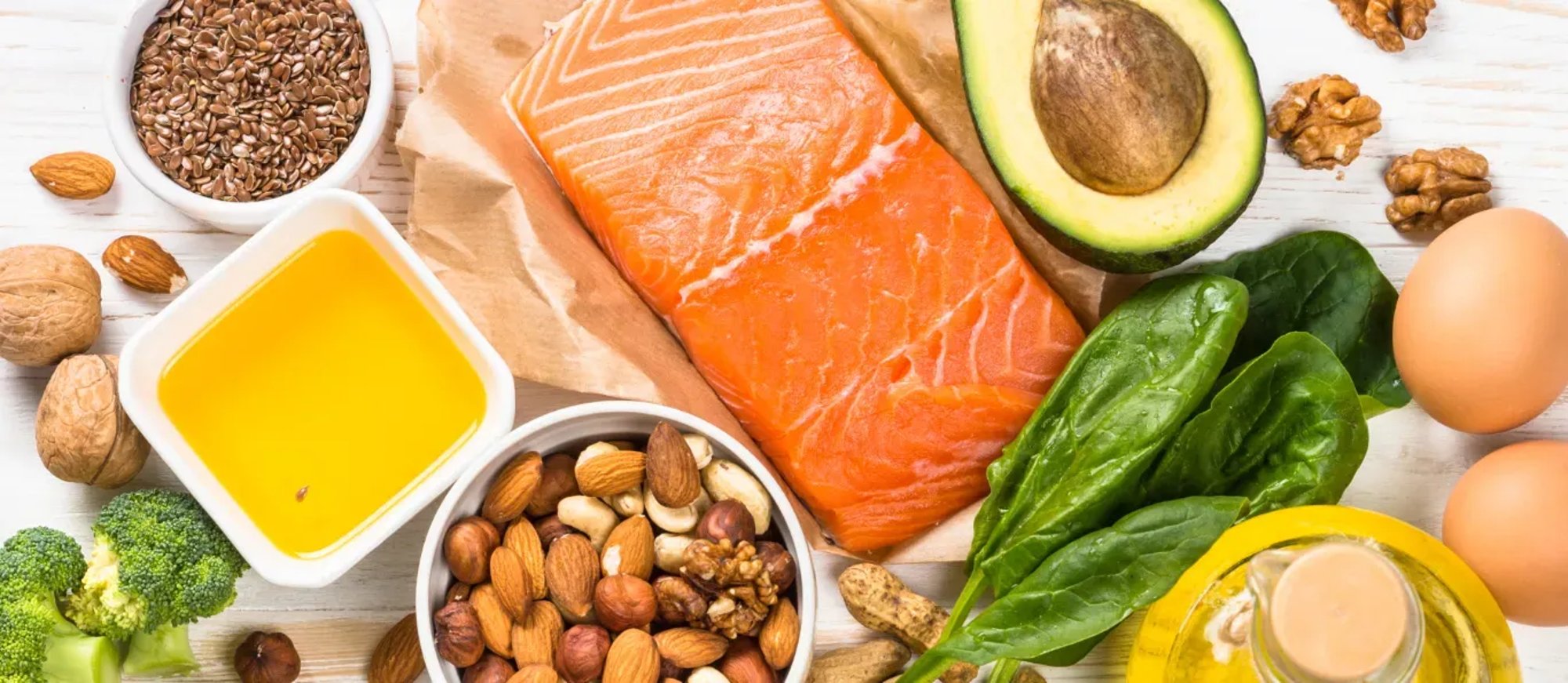
Do you ever walk into a room and forget why? Or hit that afternoon slump and reach for a quick snack? We tend to think hunger starts in the stomach — but sometimes it starts in the brain. And what your brain craves most is healthy fat. Not the kind that slows you down, but the healthy fats that keep your mind alert and your body humming along.
In fact, brains are nearly 60% fat. So, feeding it right matters more as we get older because over time, our brains and bodies need a little extra support to keep energy and focus strong.
Let’s take a closer look at why good fat is good for you — and how to make it part of a balanced, healthy diet at any age.
When your body and brain need healthy fat

Good fat adds much more than flavor or fullness to meals. It’s a building block for every cell in your body — especially brain cells — and it helps your system function. Good fat supports:
- Brain and nerve function: Essential for memory and slowing down cognitive decline.
- Absorption of vitamins A, D, E and K: Fat makes it possible for your body to actually use these nutrients.
- Reducing inflammation: Omega-3 fats contain anti-inflammatory properties, which help ease arthritis and joint pain or stiffness.
- Heart health: Healthy fats in fish help prevent the clotting of blood, reducing the risk of stroke and heart disease.
As we get older, our metabolism slows and our bodies become less efficient at absorbing certain nutrients. Those changes mean our bodies have to work harder to stay balanced. That makes choosing quality fats — the ones that nourish rather than harm — more important than ever.
Why good fats matter more with age
With aging comes changes to our heart, brain and metabolism. Our risk for chronic conditions like heart disease, cognitive decline and inflammation increases over time. Eating the right kinds of fat can help counter some of those effects.
Research shows that healthy fats — particularly unsaturated fats — are linked to better brain and heart health, longevity, and improved quality of life in older adults.
Polyunsaturated fats found in omega-3 and omega-6 fatty acids are especially powerful. They support brain function, may slow cognitive decline, and can help reduce inflammation.
Meanwhile, monounsaturated fats (like those in olive oil and avocados) have been tied to lower risk of dementia-related death and better cardiovascular outcomes.
In short: The fats you eat today can help shape how your brain and body feel tomorrow.
The good fats — and where to find them
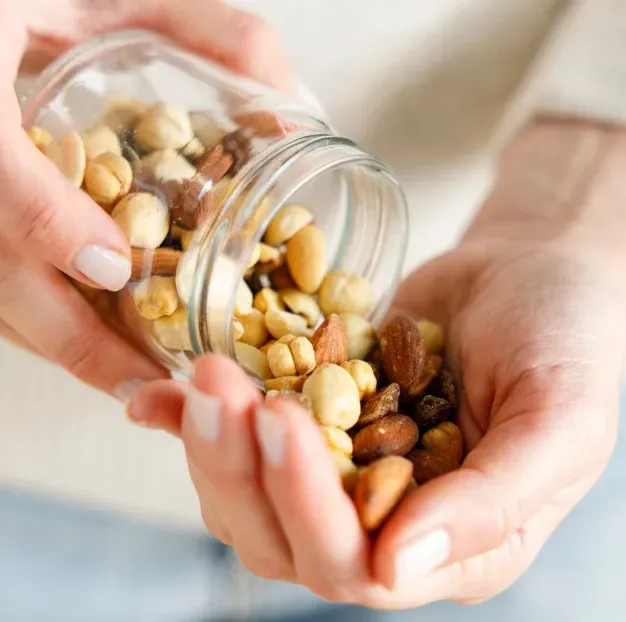
Fat plays many roles in your health. The goal is to focus on the types that do your body good:
- Why they matter: They include omega-3 and omega-6 fatty acids, which support healthy brain function and reduce inflammation.
- Found in: fatty fish (salmon, mackerel, tuna, sardines), walnuts, flaxseed, chia seeds, sunflower oil and soybean oil.
- Why they matter: They help lower “bad” LDL cholesterol while maintaining “good” HDL levels, supporting heart and brain health.
- Found in: olive oil, avocados, almonds, cashews, peanuts and some seeds.
- Drizzle olive oil on vegetables instead of butter.
- Add a handful of nuts or seeds to your morning oatmeal or yogurt.
- Enjoy avocado on toast or in salads.
- Eat fish, like salmon or tuna, at least once a week.
Remember — fat is calorie-dense, so portion size matters. A small handful of nuts or a tablespoon of olive oil goes a long way.
Some fats can still raise your risk of heart disease or other health issues — especially when eaten in large amounts.
Trans fats are mostly phased out of U.S. foods, but can still show up in some processed snacks or baked goods. Check the label for words like “partially hydrogenated oils” and steer clear when you can.
Saturated fats are naturally found in red meat, butter and full-fat dairy. These aren’t all bad — but too much can raise cholesterol levels. As we get older and heart health becomes a bigger priority, moderation is key.
- Butter for olive or canola oil
- Processed meats for grilled chicken or fish
- Creamy sauces for yogurt- or avocado-based dressings
As we age, our relationship with food often changes. Smaller appetites, changing taste or dietary restrictions can make it harder to get the nutrients we need. Healthy fats can help — they add flavor, satisfaction and vital nourishment.
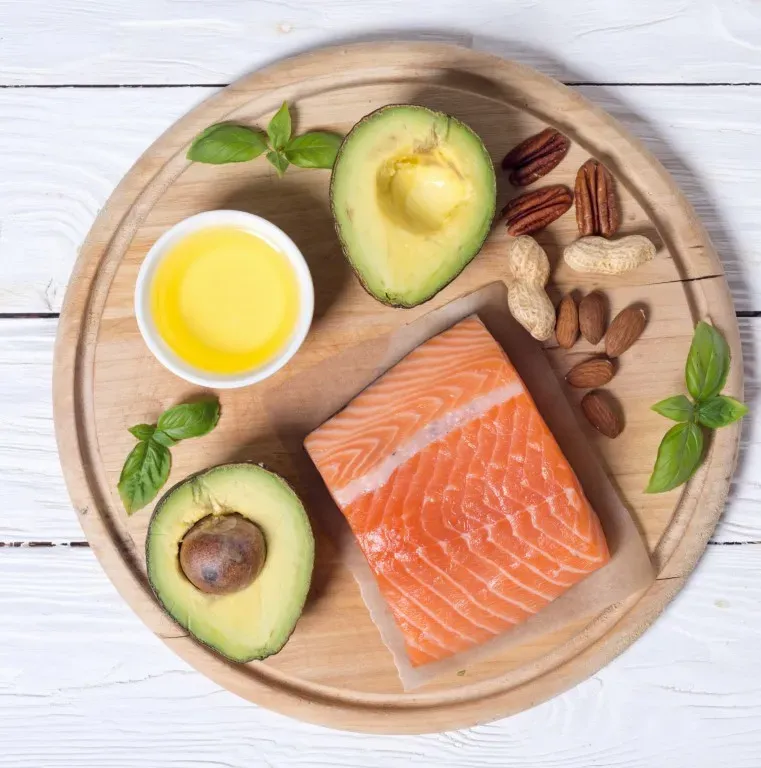
Here are a few simple habits that make a difference:
- Choose whole foods first. Build meals around fish, nuts, seeds and plants.
- Balance your plate. Pair healthy fats with fiber-rich foods like veggies, beans and whole grains to keep energy steady.
- Stay consistent. Eating healthy fats regularly — not just once in a while — brings the best long-term benefits.
- Move your body. Combine a healthy diet with regular activity to protect muscles and maintain healthy weight.
Aging well means finding new ways to nourish your body and keep it strong. The right fats can support your heart, brain and overall well-being so you can keep doing what you love for years to come.
You may also like …
 Your Pets
  Let’s Eat
  Live Well
  Spare Time
Join our community
Get news and tips you can feel good about on topics to help you live life better, including health, money, home and lifestyle — plus much more.